


When planning a flooring project, one of the most important decisions is choosing the right thickness of underlay for engineered wood flooring. While engineered wood flooring already offers durability and aesthetic appeal, pairing it with the correct underlay can significantly improve comfort underfoot, reduce noise levels, and enhance overall performance. Selecting underlay may seem like a small step, but it is vital to guarantee proper installation and long-term protection of your new floor.
Why Underlay Matters
The underlay for wood flooring acts as a protective barrier between the subfloor and your engineered flooring. It provides thermal insulation, reduces impact noise, and prevents moisture from seeping into the boards. A suitable underlay can also help correct minor imperfections in the subfloor, offering added stability and cushioning. Without the correct underlay, your engineered wood may be vulnerable to moisture damage, noise transmission, or reduced energy efficiency in the home.
Thickness and Performance
Underlay thickness directly affects the comfort and functionality of your floor. A thicker underlay can provide greater sound insulation and cushioning, which is especially beneficial in high-traffic areas or multi-storey properties. However, a thicker underlay is not always better; selecting an underlay that is too thick can compromise the stability of engineered wood flooring, leading to an uneven feel underfoot.
For engineered wood, a balance must be struck between comfort and stability. The best underlay for engineered flooring is often designed to provide sound absorption, moisture protection, and thermal underlay qualities, without interfering with the floor’s locking system or structural integrity.
Types of Underlay for Engineered Wood Flooring
There are several types of underlay options available, each suited to unique circumstances and flooring installation requirements. Foam underlay is one of the most popular choices thanks to its lightweight construction and moisture resistance, making it ideal for concrete subfloors when combined with a built-in vapour barrier or damp-proof membrane. Cork underlay provides excellent sound absorption and comfort underfoot, while rubber underlay offers durability and a high level of impact noise reduction in high-traffic areas.
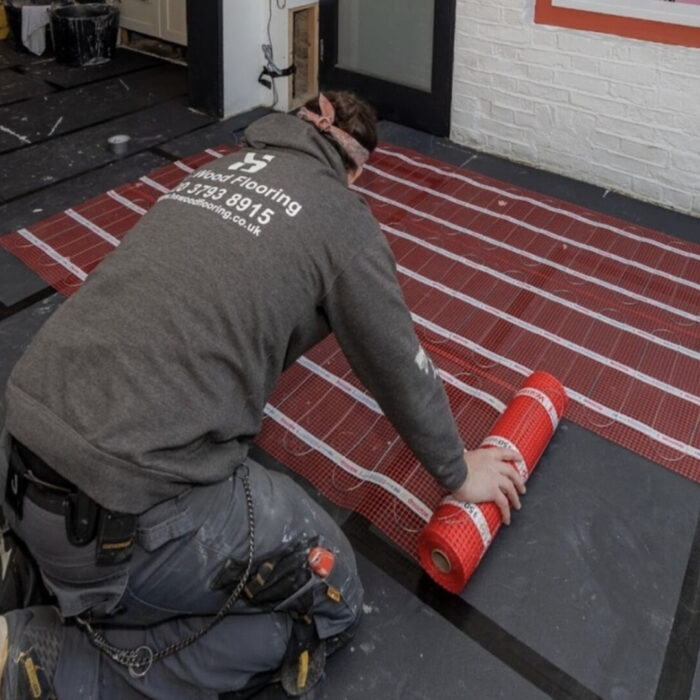
Thermal underlay is specifically designed to provide thermal insulation, helping to reduce heat loss and improve energy efficiency. In homes with underfloor heating systems, a thinner underlay with the correct tog rating ensures efficient heat transfer without reducing performance.
Moisture Protection and Barriers
Moisture levels in the subfloor must always be considered before installing engineered wood. A damp-proof membrane or underlay with a built-in vapour barrier is essential when fitting over concrete to prevent moisture damage. This protective barrier helps extend the life of your engineered wood flooring by providing moisture protection and minimising the risk of warping or swelling.
Matching Underlay to Your Flooring Needs
When choosing the right thickness of underlay for engineered wood flooring, it is important to consider several factors: the type of subfloor, whether underfloor heating is installed, the level of foot traffic, and the desired comfort underfoot. For homes with high traffic areas, a high quality underlay that combines cushioning with strength is essential. For properties where noise reduction is a priority, sound barrier underlay options such as cork or rubber are recommended.
Selecting the correct underlay also ensures your floor maintains its aesthetic appeal, performs well under pressure, and provides insulation against both heat loss and unwanted sound. The right underlay not only enhances comfort but also contributes to the longevity and stability of your flooring installation.
Final Thoughts
Choosing the right underlay for engineered wood is not just about thickness; it’s about selecting an underlay that suits your specific flooring project. From foam to cork and rubber underlay, each material offers unique benefits in terms of moisture resistance, sound absorption, and thermal insulation. By carefully assessing your subfloor, room conditions, and overall performance requirements, you can choose an underlay that ensures proper installation, added stability, and lasting comfort underfoot.
At HS Wood Flooring, we provide expert advice and a wide range of high-quality underlay options specifically designed for engineered wood flooring. Whether you need moisture protection, sound insulation, or an underlay compatible with underfloor heating systems, we can help you choose the best underlay to protect your investment and achieve the perfect finish for your home.
Have A Question?
All the products mentioned above are available on the web. OR call Tim on 07930 751882 or Danny on 07956 801034 for further information.